
-
×
 Trichocereus bridgesii ‘Arid Art’ - Whole Plant
1 × £89.95
Trichocereus bridgesii ‘Arid Art’ - Whole Plant
1 × £89.95


Trichocereus bridgesii Monstrose Type A – TBMA – Cuts
Trichocereus bridgesii monstrose ‘TBM Type A’ – Long Form Cutting
A long-form TBM cutting with smooth, elongated growth and classic low-areole monstrose character.

Overview
Trichocereus bridgesii monstrose ‘TBM Type A’, often called the long-form TBM, is one of the more sought-after monstrose forms of Trichocereus bridgesii. Unlike the more common short-form Type B, Type A produces longer, smoother sections of growth with fewer obvious areoles, less frequent branching, and a more stretched, sculptural habit.
This cutting shows the classic long-form shape well, with a thick, rounded body, soft green colour, subtle yellow-green variegated-looking patches, and the mostly spineless appearance that makes this form so distinctive. It has some superficial marks and healed blemishes from normal growing and handling, but the cutting is firm, healthy, and full of character.
This is not a fast, easy-offsetting clone in the same way as TBM Type B. Type A is usually slower to multiply and can be fussier to propagate because areoles are less common. That is part of what makes a good long-form piece worth having.
What Makes This One Special
TBM Type A is the rarer of the two main TBM forms commonly seen in cultivation. Where Type B tends to make short, stacked, knobbly segments, Type A produces longer sections with a cleaner, more columnar look.
The low number of areoles is especially important. It means this form does not always pup or branch easily, and propagation is less predictable than with standard Trichocereus or short-form TBM. When a good-sized Type A cutting is available, it is a more deliberate collector piece rather than a quick nursery commodity.
This cutting has that proper long-form presence, smooth, chunky, weird as hell, and very recognisably TBM A.
What to Expect
- Growth rate: Moderate to slow compared with standard Trichocereus bridgesii
- Mature form: Elongated monstrose columns, usually less freely branching than TBM Type B
- Colour: Soft green to blue-green in strong light, with natural tonal variation
- Spines: Usually absent or very sparse, depending on areole development
- Difficulty: Moderate, mainly due to rooting and the need for careful watering
Grower Notes
Allow the cut end to stay dry and fully calloused before potting. Use a very free-draining cactus substrate with plenty of mineral content, and avoid watering until roots have started to form.
TBM forms dislike sitting wet, especially while unrooted. Keep it warm, bright, and dry while rooting. Once established, grow it like a Trichocereus bridgesii with a slightly more cautious hand, strong light, good airflow, and proper dry periods between watering.
In the UK, this is best grown in a greenhouse, conservatory, bright windowsill, or under lights. Protect from frost.
Important Notes
This is a natural monstrose form, so growth is irregular by nature. Future pups may vary in shape, length, areole placement, and overall expression.
The marks shown in the photos are cosmetic and healed, not fresh damage. TBM Type A is not a plant that always comes out looking showroom-perfect, part of the charm is that strange, smooth, almost alien growth.
Flowering is rare in cultivation, and this form does not reliably produce many areoles, so buyers should not expect easy or frequent offsets.
Collector Appeal
Ideal for growers who already appreciate Trichocereus monstrose forms and want the less common long-form TBM rather than the usual short-form Type B. It is especially suited to collectors who value unusual morphology, slower propagation, and plants with proper oddball presence.
Why This One Stands Out
- Rarer long-form TBM Type A
- Large, chunky cutting at around 28 cm
- Smooth, elongated monstrose growth
- Sparse areole expression
- Exact cutting shown
- Strong collector value as a propagation piece
Growing Requirements:
Trichocereus are relatively easily grown in the UK, especially due to the fact that they do not require massive amounts of sunlight. As most cacti grown in the UK, they are best grown in a greenhouse or conservatory (grow tents are also used for younger plants), South facing is a distinct advantage.
Watering
Watering from Spring (April) to the beginning of Autumn (End September). Depending on what kind of summer we get will depend on how frequently you need to water, but, less is better with cacti. During the winter months, little to no watering is required or the roots could rot (they do not like to be wet for long periods).
Substrate
In warmer climates, you could go for a more nutrient-rich mixture (50% organic / 50% inorganic). But, in the UK, it is best to err more on the side of inorganic (60% – 70% inorganic) to ensure the pot is drained quickly.
Locality
Trichocereus bridgesii are native to Bolivia (duh) and Argentina.
History
Tr. bridgesii was first introduced to the Western world by a German botanist Friedrich Ritter who studied various cactus species in South America. He then named the species after his close friend, the British consul in Bolivia, Alan Bridges.
They quickly gained popularity over the years and have become statement pieces in many homes across the world.
Synonyms
- Echinopsis lageniformis
- Bolivian Torch Cactus
- Cereus bridgesii var. lageniformis
- Trichocereus bridgesii var. lageniformis
- Wachuma Bolivia
- Achuma Bolivia
| Weight | 0.5 kg |
|---|
Only logged in customers who have purchased this product may leave a review.
Steps For Rooting
Once the cut is received, place it around 1/2 inch to 1 inch in a pot of substrate. I use wooden kebab skewers to hold up the piece. Water lightly and you should start getting new root growth within a few weeks to a few months depending on conditions.
An alternative way would be to stick them in perlite and wait for them to root, once roots form you can re-pot.
All plants sold are strictly for garden / ornamental purposes, not for human consumption.
We are here to cultivate these beautiful plants and spread them as far as we can, nothing outside of growing (all things related to growing) will be tollerated.
You may also like…
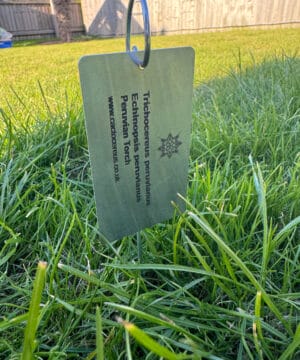


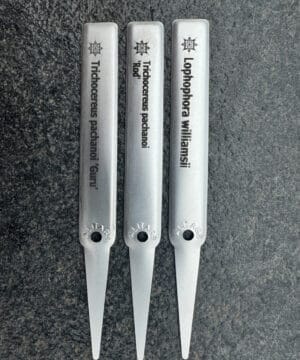
Accessories
Price range: £1.00 through £3.95
This product has multiple variants. The options may be chosen on the product page


Related products
Sale!


Trichocereus
(1)
Original price was: £19.95.£14.95Current price is: £14.95.


Seedlings
(1)
£4.95
This product has multiple variants. The options may be chosen on the product page


Reviews
There are no reviews yet.