
-
×
 Tr. scopulicola x OP 10cm+ Seedlings
1 × £11.95
Tr. scopulicola x OP 10cm+ Seedlings
1 × £11.95


Trichocereus bridgesii ‘Arid Art’ – Whole Plant
£89.95
Only 1 left in stock
Trichocereus bridgesii ‘Arid Art’
A blue-green Australian Trichocereus bridgesii clone with strong columnar growth, pronounced ribs, and sharp golden spination.
- 53cm From Base
- Whole plant pictured
- Fully established root system

Overview
Trichocereus bridgesii ‘Arid Art’ is an Australian clone grown under the Arid Art name, a label that has become fairly well known among Trichocereus collectors despite the slightly murky backstory around its original circulation.
This is not the better-known Arid Art macrogonus-type clone, this listing is for the bridgesii form. It shows classic bridgesii influence with tall, upright growth, a blue-green epidermis, firm ribs, and strong amber to golden spines. The growth is clean, architectural, and nicely balanced, with enough character to stand apart from more generic bridgesii plants.
As with many older Trichocereus clone names, the full history is a little tangled and partly lives in grower folklore. What matters horticulturally is that this is a named Australian Trichocereus bridgesii clone with good collector recognition and a very handsome growth habit.
Genetics & Parentage
Trichocereus bridgesii ‘Arid Art’
A named Australian bridgesii clone associated with the Arid Art name. It has been circulated among collectors and has also been used in breeding lines.
Trichocereus bridgesii
Often recognised for slimmer columnar growth, active offsetting once mature, variable blue-green colouration, and distinctive spine expression. Bridgesii plants can vary quite a bit between clones, but they are generally valued for their character, vigour, and usefulness in hybrid work.
This clone brings together a clean bridgesii-type structure with strong visual presence, especially in the blue-green skin and golden spine contrast.
What to Expect
- Growth rate: Moderate to fast once established and given heat, light, and root space
- Mature form: Upright columnar growth, with potential to branch as it matures
- Colour: Blue-green to glaucous green, with stronger blue tones in good light
- Spines: Amber, straw-gold to brownish spines, becoming more prominent with age and light
- Difficulty: Easy to grow if kept in a free-draining cactus mix and not overwatered
Grower Notes
Grow in a bright position with strong airflow and a gritty, free-draining cactus substrate. In the UK, this clone is well suited to greenhouse growing, where it will appreciate warmth through spring and summer.
Water well during active growth, then allow the pot to dry properly before watering again. Keep much drier over winter, especially if temperatures are low. Like most bridgesii-type plants, it does not enjoy sitting cold and wet.
Spine colour, skin tone, and rib expression can all shift depending on light levels, feeding, season, and overall growing conditions.
Why This One Stands Out
- Named Australian Trichocereus bridgesii clone
- Collector interest due to the Arid Art name
- Distinct from the more famous Arid Art macrogonus-type clone
- Attractive blue-green skin with strong golden spine contrast
- Good upright growth habit
- Useful clone for bridgesii collectors and hybrid growers
Growing Requirements:
Trichocereus are relatively easily grown in the UK, especially due to the fact that they do not require massive amounts of sunlight. As most cacti grown in the UK, they are best grown in a greenhouse or conservatory (grow tents are also used for younger plants), South facing is a distinct advantage.
Watering
Watering from Spring (April) to the beginning of Autumn (End September). Depending on what kind of summer we get will depend on how frequently you need to water, but, less is better with cacti. During the winter months, little to no watering is required or the roots could rot (they do not like to be wet for long periods).
Substrate
In warmer climates, you could go for a more nutrient-rich mixture (50% organic / 50% inorganic). But, in the UK, it is best to err more on the side of inorganic (60% – 70% inorganic) to ensure the pot is drained quickly.
Locality
Trichocereus bridgesii are native to Bolivia (duh) and Argentina.
History
Tr. bridgesii was first introduced to the Western world by a German botanist Friedrich Ritter who studied various cactus species in South America. He then named the species after his close friend, the British consul in Bolivia, Alan Bridges.
They quickly gained popularity over the years and have become statement pieces in many homes across the world.
Synonyms
- Echinopsis lageniformis
- Bolivian Torch Cactus
- Cereus bridgesii var. lageniformis
- Trichocereus bridgesii var. lageniformis
- Wachuma Bolivia
- Achuma Bolivia
| Weight | 1.01 kg |
|---|
Only logged in customers who have purchased this product may leave a review.
Steps For Rooting
Once the cut is received, place it around 1/2 inch to 1 inch in a pot of substrate. I use wooden kebab skewers to hold up the piece. Water lightly and you should start getting new root growth within a few weeks to a few months depending on conditions.
An alternative way would be to stick them in perlite and wait for them to root, once roots form you can re-pot.
All plants sold are strictly for garden / ornamental purposes, not for human consumption.
We are here to cultivate these beautiful plants and spread them as far as we can, nothing outside of growing (all things related to growing) will be tollerated.
You may also like…


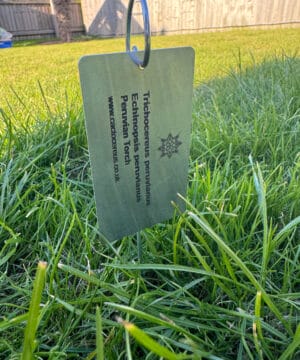
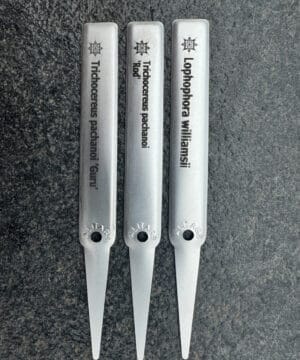
Accessories
Price range: £1.00 through £3.95
This product has multiple variants. The options may be chosen on the product page



Related products

Tr. peruviana
£99.95
This product has multiple variants. The options may be chosen on the product page


Seedlings
(1)
£4.95
This product has multiple variants. The options may be chosen on the product page


Reviews
There are no reviews yet.